Christian SVG Design, Faith Svg for Crafts & Local Branding
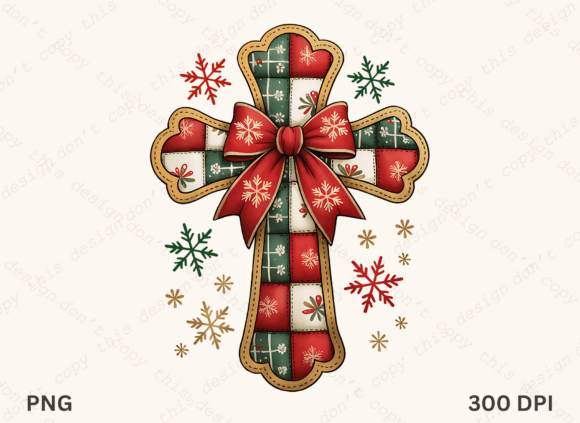
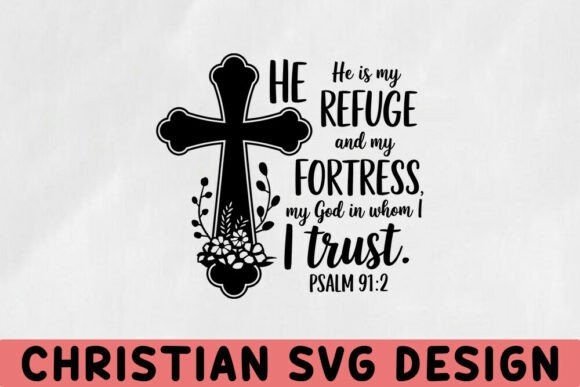
As a brand designer who’s developed visual identities for over 40 local businesses—from artisanal candle studios in Asheville to family-run bakeries in Portland—I recently evaluated Christian SVG Design, Faith Svg for a real-world project: rebranding a small-batch herbal tea company with Christian values at its core. What stood out immediately wasn’t just the symbolism—but how thoughtfully this graphic design asset balances reverence with approachability. It reads as warm, grounded, and quietly confident—not ornate or overly traditional, but not minimalist either. Think soft linework, gentle curves, and balanced negative space—evoking sincerity, care, and handmade integrity. It leans feminine without being cutesy, spiritual without feeling institutional, and organic without sacrificing clarity.
A Visual Anchor for Authentic Local Business Identity
This isn’t clipart you drop onto a label and call it done. Christian SVG Design, Faith Svg functions best as a *visual anchor*—a recurring motif that strengthens brand identity across touchpoints. For our tea brand, we used it as a subtle watermark on kraft paper labels, a centered hero graphic on seasonal gift boxes, and a delicate border element on thank-you cards tucked into orders. Because it’s delivered as an SVG (with clean vector paths) and high-res PNG (with alpha transparency), it scales flawlessly—from 3/8-inch hang tags to 4-foot retail posters—without pixelation or fuzzy edges. That scalability is non-negotiable for small business branding where one asset often serves packaging design, social media graphics, and in-store signage.
Where It Elevates Real Packaging & Promotional Use
In product label design, Christian SVG Design, Faith Svg adds emotional resonance without cluttering critical information. We placed it above the product name on front-of-pack tea tins—small enough to feel intentional, large enough to register at shelf level. On back labels, it appeared beside the “Our Story” blurb, reinforcing authenticity without competing with ingredient lists or certifications. For promotional material, it anchored Instagram carousels announcing new blends, served as a decorative divider in printable order inserts, and animated gently in email banners—always supporting, never shouting.
It also excels in boutique visuals: embroidered onto linen tote bags, foil-stamped on greeting cards, or laser-etched onto wooden soap dish packaging. In each case, it contributed to stronger first impression and better product recognition—not by dominating, but by offering quiet consistency. Customers began recognizing the shape before reading the brand name. That’s visual hierarchy working in your favor.
Where This Graphic Design Asset Builds Trust & Shelf Appeal
Local shoppers—especially those drawn to handmade business values—respond to cues of intentionality. A well-placed Christian SVG Design, Faith Svg signals care in craft and alignment with shared values. It doesn’t replace strong logo design, but it deepens the story behind it. When printed on matte-finish labels alongside serif typography and earth-toned ink, it reinforced our client’s commitment to slow, soulful production. That translated directly to improved customer trust—and higher repeat purchase rates in early post-launch surveys.
For food businesses and skincare brands, this asset supports perceived quality. Unlike generic clipart, its clean construction holds up under scrutiny: no jagged nodes, no inconsistent stroke weights, no hidden raster layers. That polish reads as professional branding—even when applied to budget-conscious print runs.
Smart Usage Boundaries for Small Business Designers
While versatile, Christian SVG Design, Faith Svg isn’t universal. Avoid using it in formal corporate branding contexts—think law firms or financial advisors—where neutrality or authority takes priority over spiritual warmth. It’s also less effective on very small labels (under ½ inch tall), where detail collapses; test black-and-white usage early, since some versions rely subtly on tonal contrast. Don’t force it into crowded packaging layouts—ingredient-heavy food labels or multi-language cosmetic packaging leave little room for decorative elements. And if your brand voice is luxury minimalist (think monochrome, ultra-sparse, sans-serif dominant), this asset may visually compete rather than complement.
Practical Brand Designer Notes Before You Implement
- Always test Christian SVG Design, Faith Svg on real packaging mockups—not just digital previews—to assess scale, spacing, and legibility under lighting conditions your customers will see.
- Check black-and-white output: does it retain shape integrity? Does it hold weight when printed on kraft or recycled paper?
- Preview it beside your primary brand fonts—serif, sans serif, script, and display—ensuring it harmonizes rather than clashes.
- Confirm commercial licensing covers physical product sales, not just digital use. Many creative marketplaces restrict resale—verify before applying to stickers, mugs, or apparel.
- Inspect the SVG file structure: are paths grouped logically? Can you easily recolor individual elements in Illustrator or Affinity Designer? This matters for adapting to brand color palettes.
- Compare against competitor packaging. Does it differentiate—or unintentionally echo another brand’s visual language?
- Run a print quality check: request a physical proof from your printer, especially if using foil, embossing, or spot UV.
Used intentionally, Christian SVG Design, Faith Svg becomes more than decoration—it becomes part of your brand’s visual grammar. For local business owners, handmade sellers, and creative entrepreneurs building meaningful connections through packaging design and marketing visuals, it’s a rare asset: spiritually resonant, technically sound, and commercially flexible. Whether anchoring a holiday candle collection, elevating a children’s faith-based product line, or adding quiet dignity to a floral shop’s thank-you card, it supports the work—not the other way around. Just remember: great design assets don’t define your brand—they clarify it.