Christian Cross Symbols Collection: Illustrations
First Impression: Reverent, Refined, and Ready for Real Brand Work
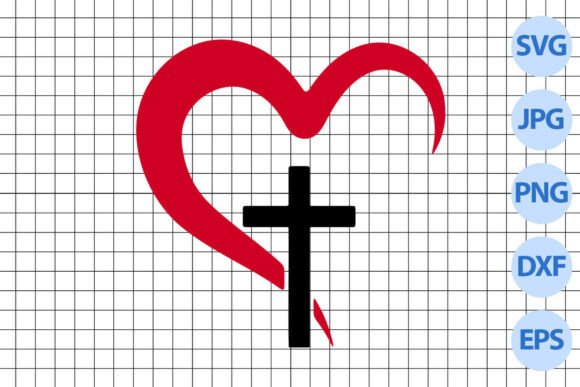
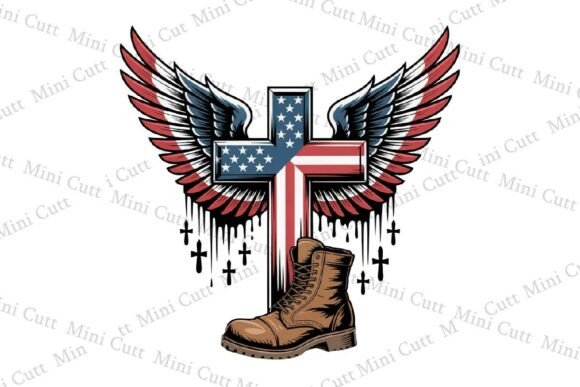
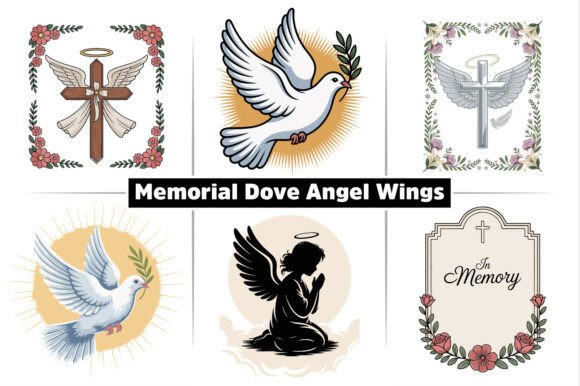
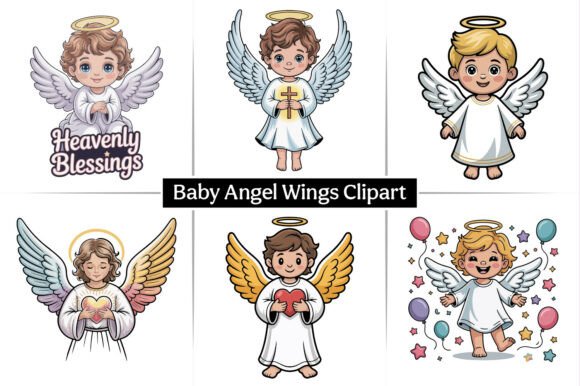
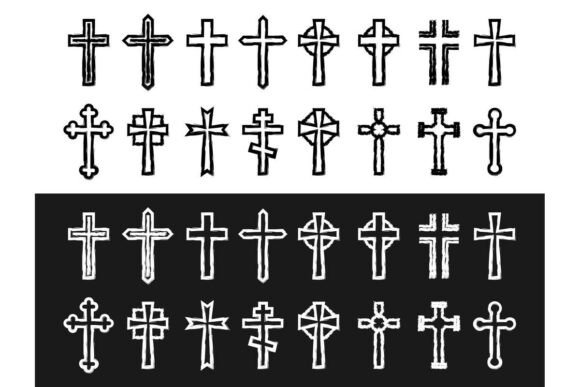
When I opened the Christian Cross Symbols Collection, I wasn’t scanning for religious iconography—I was assessing whether it could elevate a real client project: a handmade apothecary brand launching a “Grace & Grounding” seasonal line of herbal teas, ceramic mugs, and linen sachets. The collection landed with quiet confidence—not ornate, not sterile, but deeply intentional. These aren’t clipart crosses; they’re hand-crafted illustrations with subtle weight variation, balanced negative space, and consistent line rhythm. They lean into modern design without sacrificing reverence—think soft-edged serifs meeting clean vector geometry. That duality makes them unusually versatile across packaging design, social media graphics, and printable design.
Where It Shines in Client Projects
This graphic design asset excels where emotional resonance meets visual clarity. For the apothecary client, I used one minimalist Latin cross as a subtle watermark on tea box labels—small enough to feel like texture, large enough to signal intention. Another ornate Celtic variant became the centerpiece of an Instagram carousel post announcing their Lenten wellness guide: layered over oatmeal-toned photography, it anchored the composition without competing. In product mockups, the SVG design scaled flawlessly onto mug wraps and tote bag prints. As a sticker design or sublimation design, it held crisp detail even at 2" diameter. And for Canva templates aimed at church volunteers or faith-based bloggers, the PNG design with transparent background dropped cleanly into layouts—no fraying edges, no color bleed.
- Logo design: Best used as a supporting element (e.g., monogram accent), not primary mark—its symbolic weight demands context.
- Brand identity: Works powerfully in secondary assets—letterhead flourishes, website dividers, email signature icons.
- Packaging design: Ideal for embossed foil accents on kraft boxes or debossed details on ceramic tags.
- Social media graphics: Stands out in Pinterest pins and Instagram Stories when paired with warm neutrals or deep indigo.
- Printable design: Perfect for wall art bundles sold on Etsy—especially when grouped by style (Celtic, Byzantine, minimalist).
- Cricut project: Vector files cut cleanly on vinyl and cardstock; no jagged corners or stray anchor points.
Where to Proceed With Intention
This isn’t a one-size-fits-all design bundle. Its strength is also its limitation: these are meaningful symbols, not decorative filler. Avoid dropping them into crowded layouts—like busy festival flyers or dense editorial spreads—where hierarchy collapses. On low-contrast backgrounds (e.g., light gray text over pale lavender), some thinner variants lose legibility. And while the collection includes elegant line work, it’s not built for ultra-minimalist branding—think tech startups or luxury skincare lines that rely on stark silence. Likewise, corporate annual reports or investor decks need neutrality this collection intentionally avoids. Use it where authenticity matters more than anonymity.
Design Impact: Beyond Aesthetics
In practice, the Christian Cross Symbols Collection elevates perceived professionalism by signaling thoughtful curation—not stock imagery. Clients notice when a cross feels *designed*, not downloaded. That nuance builds visual trust. For faith-based small business branding, it reinforces sincerity without cliché. For print-on-demand sellers, it adds differentiation in saturated niches like Easter decor or baptismal gifts. Emotionally, it invites pause—not dogma. When placed beside serif fonts (e.g., Playfair Display) or soft script fonts, it harmonizes beautifully. Against bold sans-serifs (like Montserrat Bold), it creates respectful contrast. But test it: a handwritten font can overwhelm its structure, while overly decorative display fonts compete for attention.
Designer Notes You Can’t Skip
Before locking it into a client deliverable, I ran five quick checks:
- Test in black and white: Confirmed all variants retain shape and weight—critical for embroidery or single-color print runs.
- Check contrast on light/dark backgrounds: One delicate Greek cross faded on charcoal; I swapped it for a bolder variant with reinforced terminals.
- Preview at scale: At 12px in UI icons, only the thickest versions remained legible—so I reserved finer illustrations for larger applications only.
- Place on real mockups: Ran PNGs through a ceramic mug mockup generator—transparency held, no haloing. SVGs scaled cleanly for fabric swatch previews.
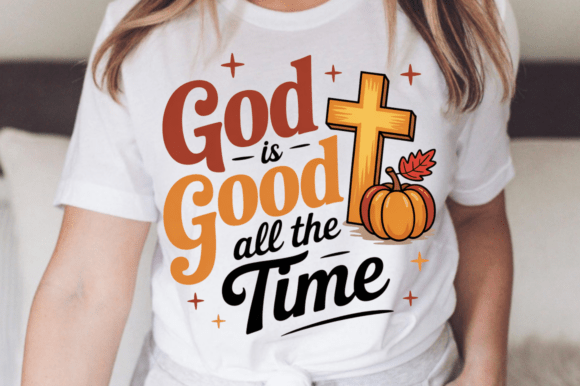
- Verify commercial license: Confirmed full commercial use—including resale in digital products like Canva templates and physical goods like t-shirt design and sticker design. No attribution required, but I still credit the creator in my internal asset log.
I also inspected file integrity: all SVGs opened editable in Illustrator (no raster embeds), PNGs had true alpha transparency (no matte fringing), and no hidden layers or unused artboards cluttered the files. For sublimation design, I confirmed RGB color profiles matched industry standards—no unexpected shifts on polyester blanks.
Final Verdict: A Purpose-Built Creative Design Asset
The Christian Cross Symbols Collection isn’t just another illustration pack—it’s a focused creative marketplace offering with clear intent. It serves handmade business owners who value craftsmanship in symbolism, print-on-demand sellers building themed collections, and designers crafting campaigns where meaning and aesthetics must align. Used thoughtfully—as part of a larger visual system, not a standalone crutch—it strengthens brand consistency, deepens audience engagement, and quietly signals care in execution. For the apothecary launch? It helped transform “spiritual wellness” from abstract concept into tangible, beautiful experience—on labels, social posts, and printed ritual cards. That’s the mark of a truly useful commercial design asset.